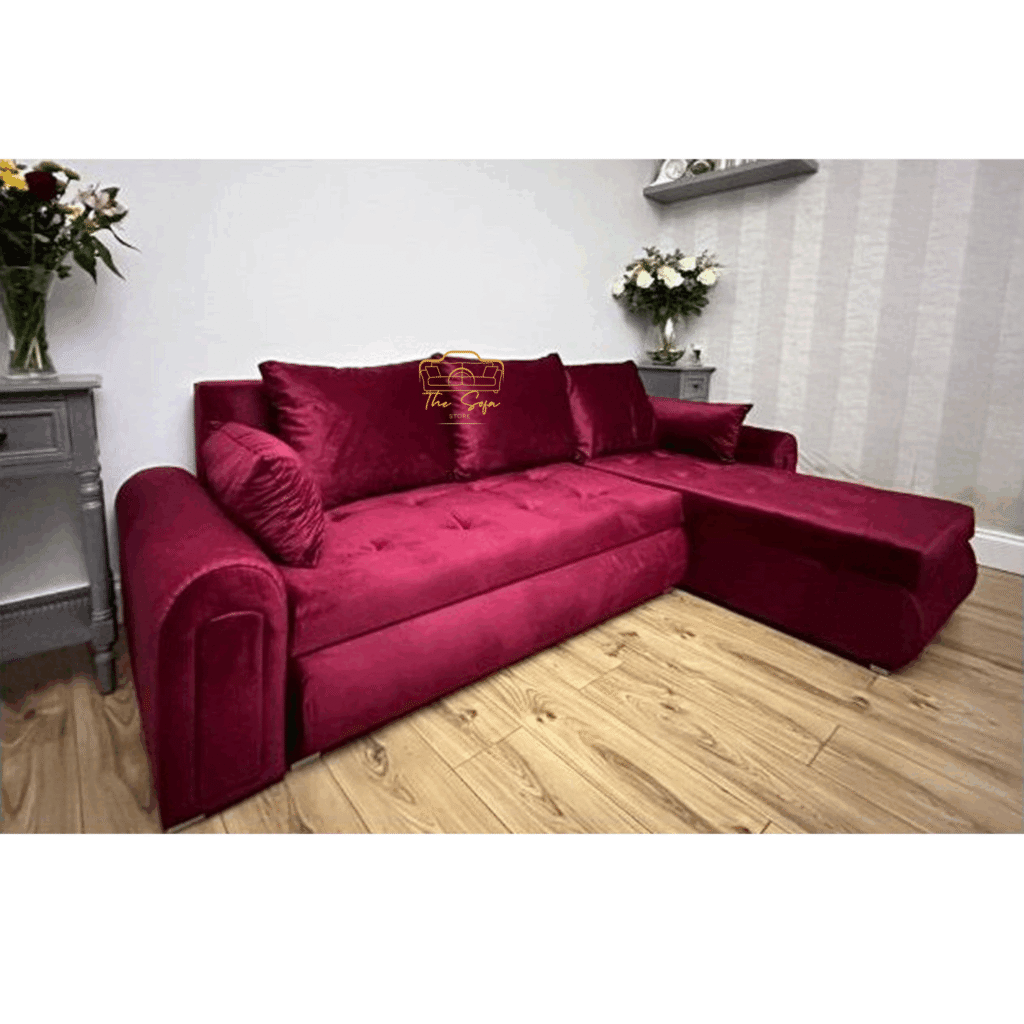
How to Store a Couch Properly Without Damaging It

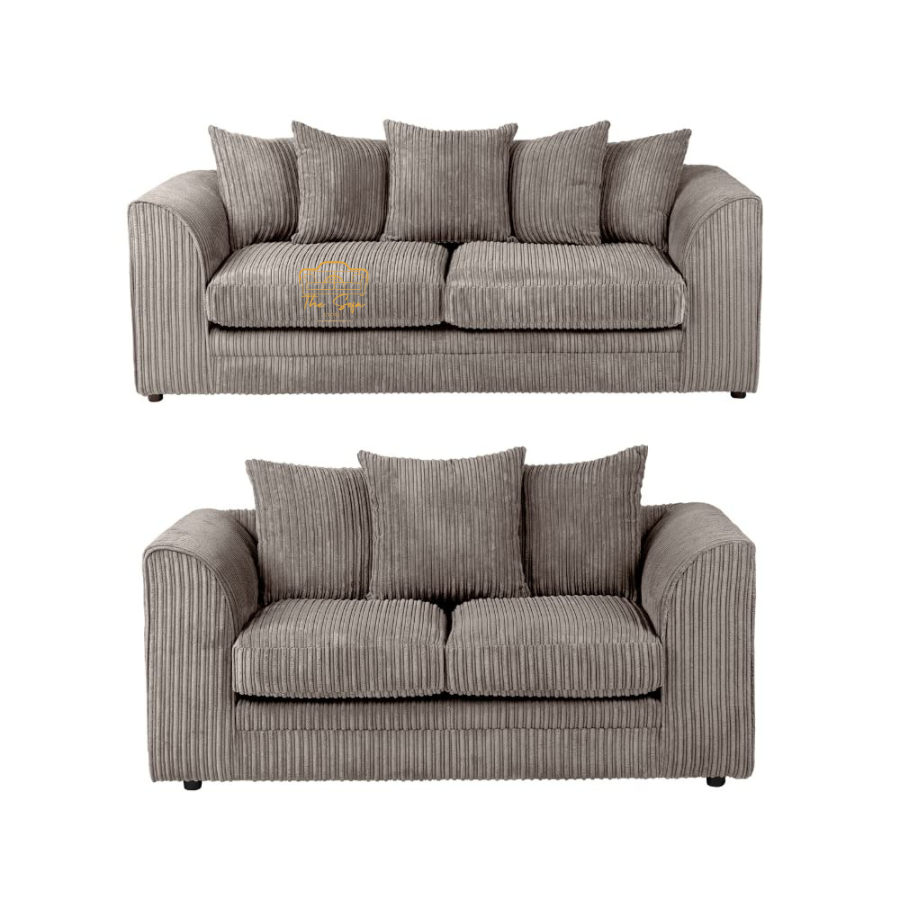
How to Store a Couch Properly Without Damaging It
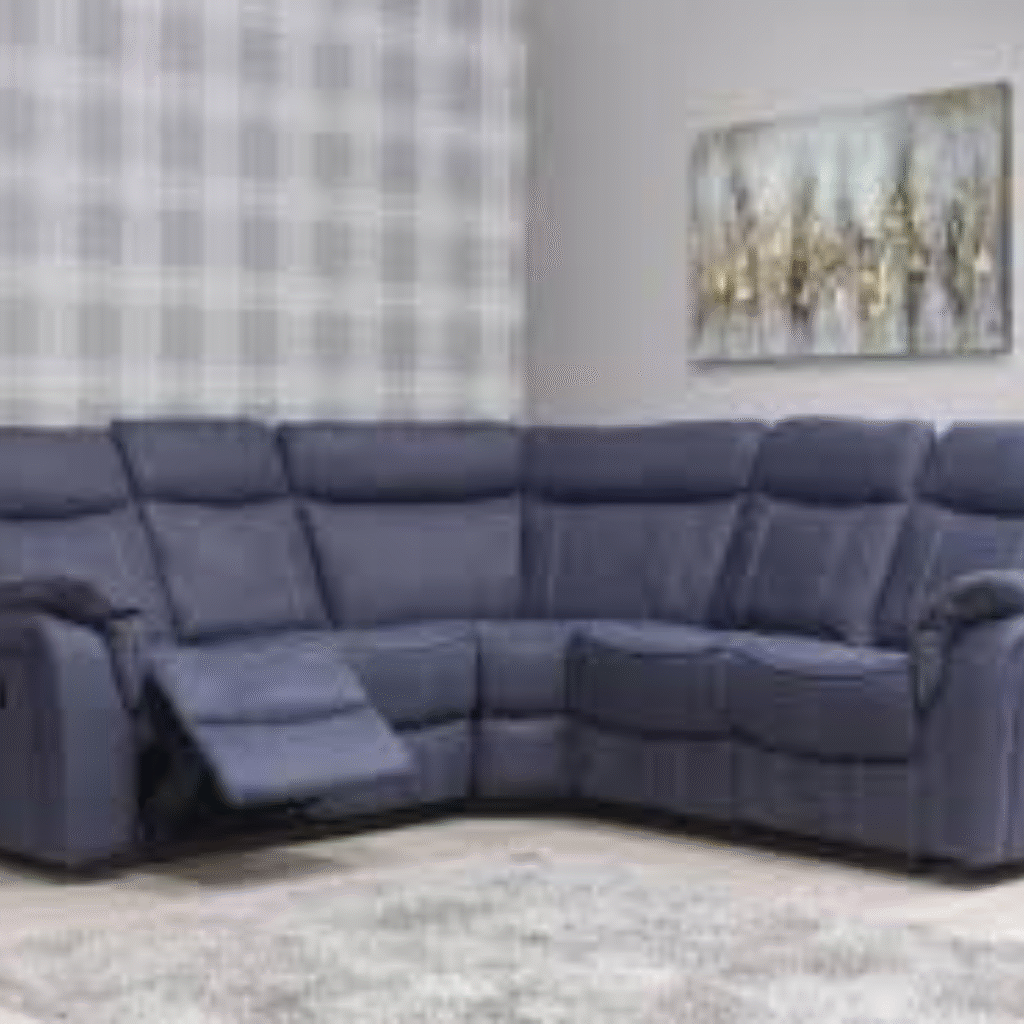
Holding a couch needs planning. It’s more than just sliding furniture into a room. A couch is heavy and delicate. It has wooden, fabric, foam, and metal components. Different materials react to storage conditions in different way. Inadequate storage can lead to damage. Store couch moisture it develops mold. Heat can loosen glue and fabric. Dust accumulates fast. Good storage prevents all of these. It keeps your investment safe. It also gives your sofa a longer life. For a move or a remodel, knowing how to store a couch is a game changer.
Importance of Proper Storage
A sofa can be quite costly. I’m just trying to get across that it means a lot to me, sentimentally. The upholstery can be destroyed by inadequate storage. It can bend the frame. Cushions can flatten. There could be mold and mildew. It costs money to fix it. Replacement is more expensive. Good storage will keep your couch clean and protected. FABRIC SOFA it keeps the comfort & the look. It avoids unnecessary wear and tear. The sofa is said to last if stored properly. It will be available for use at any time. A little work now can spare you a whole lot of worry later.
Choosing the Right Storage Location
The storage location makes a big difference. Don’t store them in moist basements. Don’t store it in a shed outdoors. Select a clean and dry area. A climate controlled unit is best. It keeps the temperature constant. It lowers the humidity. Adequate ventilation is necessary. FP Prevent Moisture There is no moisture under airflow but check if it really moisture-free. It should be large enough. Don’t just cram the couch in. Leave some space around it. The additional space allows for air circulation. This also keeps scratches and compression damage at bay. Always check out the storage unit before adding the furniture to it.
Measuring the Couch and Storage Space
Measure your sofa accurately. Note down its length, width, height. Include detachable components. Match the measurements to your space. Don’t forget to measure doorways and hallways. This avoids moving iss?ues. Accurate measurements save time. They minimize danger of breakage. They scratch in tight spaces. Crammed placement creates pressure points. Allow extra room for air flow. Planning guarantees smooth transport29. It also helps in orderly arrangement within the storage unit. Avoiding mistakes by measuring first.
Cleaning Before Storage
Cleaning is necessary prior to storing. Dirt attracts bugs. Stains set with time. Vacuum all surfaces thoroughly. Crumbs and dust at bay. Clean under the cushions. Apply fabric cleaner to upholstery. Apply leather conditioner to the leather sofa. Wipe wooden parts softly. Don’t forget the nooks and crannies hidden from sight. A clean couch is a better couch. It inhibits the development of odors. That also keeps the germs out. Never store a sofa that is dirty. adequate cleaning, material is protected, and when you open … clean, fresh material again.
Drying Completely
Humidity is hazardous for stored wooden furniture. Mould develops even with the slightest dampness. Let the couch air-dry after washing. Put it in a well-ventilated place. Use fans if needed. Open the window for ventilation. Feel the cushions carefully. Foam soaks up water easily. Tap surfaces to test for moisture. Don’t skip this step. Mb: Yes mold does grow quickly in storage. It also puts holes in your fabric and padding like no other. Being completely dry means you can store safely. It keeps your couch safe from long-term wear and tear.
Disassembling the Couch
Take apart the detachable parts before storing. Take off legs if you can. Detach cushions and sections. Keep screws and bolts tied together. Store the hardware in a bag or box with the labels. This keeps them from getting lost. Take apart is much easier in moving. This minimizes the chance of damage to the frame. Smaller pieces are easier to wrap. It also lessens storage space required. Treat each segment with care. Don’t pry joints apart. Normal disassembly keeps the whole structure intact. That way, by Kathleen finally had it disassembled.
Protecting Cushions
The cushions require some special attention. Wrap them separately. Use covers made from breathable fabrics. Avoid tight plastic packaging. Plastic traps moisture. Moisture leads to mildew. If you can, keep the cushions standing up. Don’t smoosh them too much. Compression alters shape. It makes you less comfortable. Put them in a dry place. Keep them from direct contact with the floor. Correct storage of cushions keeps them soft. It also prevents the development of odors.
Wrapping the Frame
Wrap the frame with moving blankets. Cover all the surfaces. Fasten blankets with tape or straps. Don’t stick tape on your fabric. Tape marks. Protect corners well. Corners are susceptible to damage. Wrapping impedes the scratches and the dust on the surface. It also shields against small hits. Thick blankets serve as padding. Well wrapping will make the couch safe in storing and moving.
Selecting Proper Covers
Use breathable covers rather than plastic sheets. Plastic traps moisture. Fabric covers breathe. The air circulation helps to prevent moisture accumulation. Specialized furniture covers are best. They shield from dust and grime. Make sure the cover is the right size. Don’t wrap too tightly. Wrapping too tightly leads to pressure marks. A good cover serves as a shield. It allows you to keep your sofa clean and protected while in storage.
Elevating Off the Floor
Never put the couch right on the floor. Floors can hold moisture. Utilize wooden pallets or blocks. Elevation allows air to flow beneath. It prevents damp damage. It also shields you from accidental water leaks. Elevates one piece of furniture stays safer. Even moisture is held by concrete floors. Elevation greatly diminishes the risk. A few minor preventative measures can have a huge impact on the outcome of your life.
Climate-Controlled Storage
Climate-control units maintain a constant temperature. They lower humidity. Extreme heat frays fabric. Cold affects wood joints. Materials are preserved under balanced conditions. Climate control is recommended for long-term storage. It keeps them from cracking and warping. It also lowers risk of mold. Putting your money into climate control is valuable furniture protection.
Pest Protection
Pests can destroy fabric and foam. Close Storage Space Well. Don’t store the food close. Apply repelent if you want. Look for holes or cracks. Inspection regularly can prevent infestation. Dusting keeps the bugs away from your furniture. The covering protects your sofa from wear and tear.
Long-Term Storage Strategies
For couches stored for a long time, check occasionally. Check covers and moisture contents. Rotate if possible cushions. Make sure you have still got enough air. Keep an eye on things so there are no surprises.
Final Checklist Before Storage
Make sure the couch is clean and dry. Make sure it is properly wrapped. Check elevation and spacing.The Sofa Store check the weather conditions. A final test ensures safe storage. Your couch is now safe and sound.